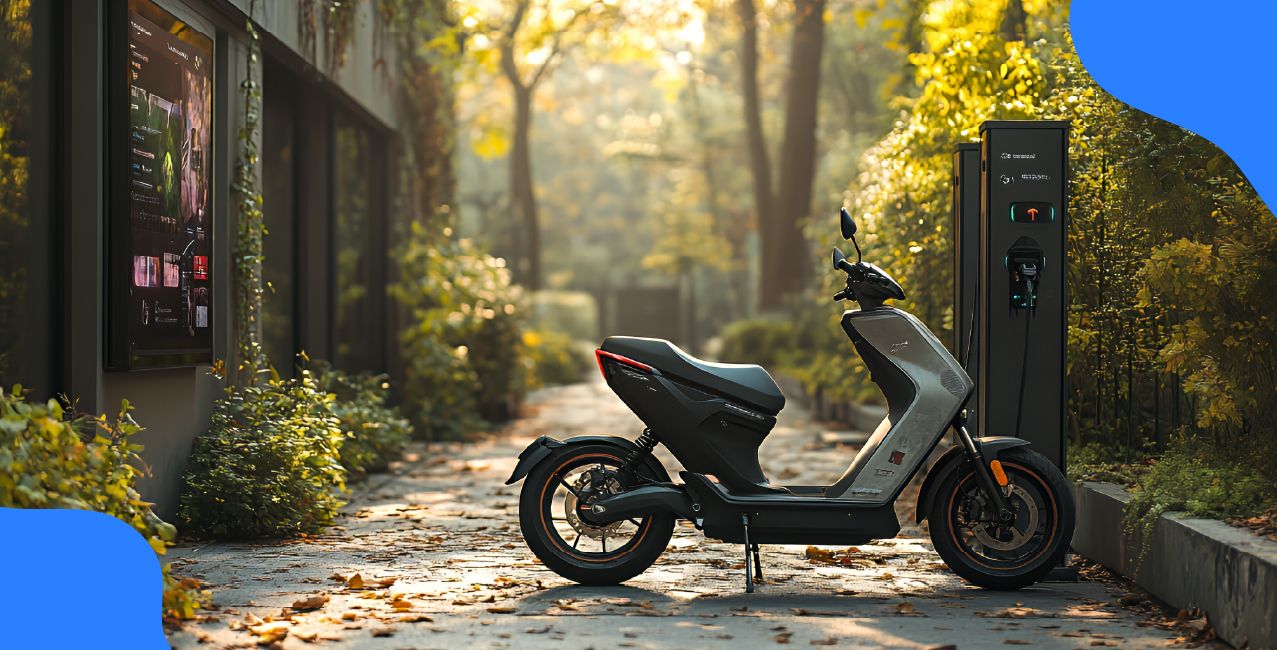
Will New Subsidy Rules Change Electric Bike Loan Approvals In 2026?
Check Your Loan Eligibility Now
By continuing, you agree to LoansJagat's Credit Report Terms of Use, Terms and Conditions, Privacy Policy, and authorize contact via Call, SMS, Email, or WhatsApp
Loan checks grew sharper after the subsidy shift of March 2024 and lenders changed approval rules.
Electric bike buyers still ask a simple question. Why did banks change loan filters once FAME II ended in 2024? The shift started when the Ministry of Heavy Industries closed FAME II on 31 March 2024 and opened PM E-DRIVE on 1 April 2024.
The two schemes shaped how banks read Government subsidies for electric bike loans and changed loan approvals across the country.
Are Government Subsidies For Electric Bike Loans Changing Loan Checks?
The change in policy created a clear churn. A LoansJagat article published in October 2025 recorded an eighteen percent quarter-on-quarter rise in two-wheeler loan disbursements for one large lender. It showed strong demand even as banks set tighter checks.
The PM E-DRIVE handbook stated that only certified electric bikes qualify for support. This forced lenders to classify bikes into two groups. Certified models received lower effective purchase price once the subsidy applied. Uncertified models received no benefit. That difference influenced EMI levels and repayment strength.
Banks issued internal circulars between July and October 2024. These said certified bikes carried lower risk during the early phase of repayment. This was the main reason loan checks changed after the subsidy shift.
Before cost patterns are assessed, it helps to see the scale of the older national programme that shaped confidence in subsidy-backed buyers.
A table based on official Government numbers gives this base.
Scale Of FAME II Support In India
The numbers below help explain why banks trusted subsidy-backed borrowers for so long. A strong sales base under FAME II showed predictable repayment behaviour. Once PM E-DRIVE replaced FAME II, lenders focused on certification instead of broad eligibility.
With that background, the focus moves to how subsidy-linked price changes affect loan approval.
A subsidy lowers the ex-factory price of a certified electric bike. This reduces the amount that a borrower must finance. Lower principal translates into lower EMIs. Banks evaluate this reduction during loan appraisal. This was noted in the Ministry’s 2024 programme summary, which described the per-kWh structure included in PM E-DRIVE.
Estimated Change In Cost After Subsidy
Borrowers opting for certified models faced lower EMIs during the September to December 2024 approval cycle. Borrowers choosing uncertified models faced higher EMIs and stricter checks. This divide appeared in several bank circulars issued late in 2024.
The table below shows how the cost shift works.
This pattern shaped bank approval behaviour throughout 2024. Lower exposure meant banks could approve certified electric bikes at tighter margins. Uncertified bikes remained under stricter rules because they lacked subsidy support.
This development also connects with older reporting on electric bike finance.
A related report explained how electric bike incentives influenced loan behaviour during the active FAME II years. That report said subsidised bikes were seen as lower-risk assets. The present cycle continues that trend with a new condition. Certification now decides subsidy access. Banks factor this into their loan models during 2024 and 2025.
Another angle appears when studying older policy cycles.
Conclusion
Government actions show a steady pattern across earlier years. During FAME I in 2015, support tied to technology checks shaped the first wave of electric bike lending. Banks acted with caution before widening approvals.
A similar pattern surfaced in July 2019 when GST rules for electric vehicles were revised. Lenders waited for clarity before updating terms.
The same cycle returned in 2024. Banks tightened checks after 31 March 2024. Approvals eased again once the PM E-DRIVE certification list stabilised by late 2024. Government subsidies for electric bike loans continue to guide loan eligibility by lowering purchase cost and influencing repayment strength.
Other Related Pages | |||

About the author

LoansJagat Team
Contributor‘Simplify Finance for Everyone.’ This is the common goal of our team, as we try to explain any topic with relatable examples. From personal to business finance, managing EMIs to becoming debt-free, we do extensive research on each and every parameter, so you don’t have to. Scroll up and have a look at what 15+ years of experience in the BFSI sector looks like.
Subscribe Now
Related Blog Post
.png)
Recent Blogs
All Topics
India’s #1 Loan Consolidation Platform
Simplify All Your Loans Into One Affordable EMI

10 Lac
Customers Served

₹2000 Cr+
Debt Consolidated

4.7★
1200+ Reviews

10,000+
Locations in India
Club all Loans & Credit Card Bills into Single EMI

Quick Apply Loan
Consolidate your debts into one easy EMI.

Takes less than 2 minutes. No paperwork.

10 Lakhs+
Trusted Customers

2000 Cr+
Loans Disbursed

4.7/5
Google Reviews

20+
Banks & NBFCs Offers
Other services mentioned in this article


